








 Bullion
 Currency
 Unicode
 मौसम
मौसम Horoscope
Makhana is not healthy for everyone, expert advice should be taken in these 6 situations

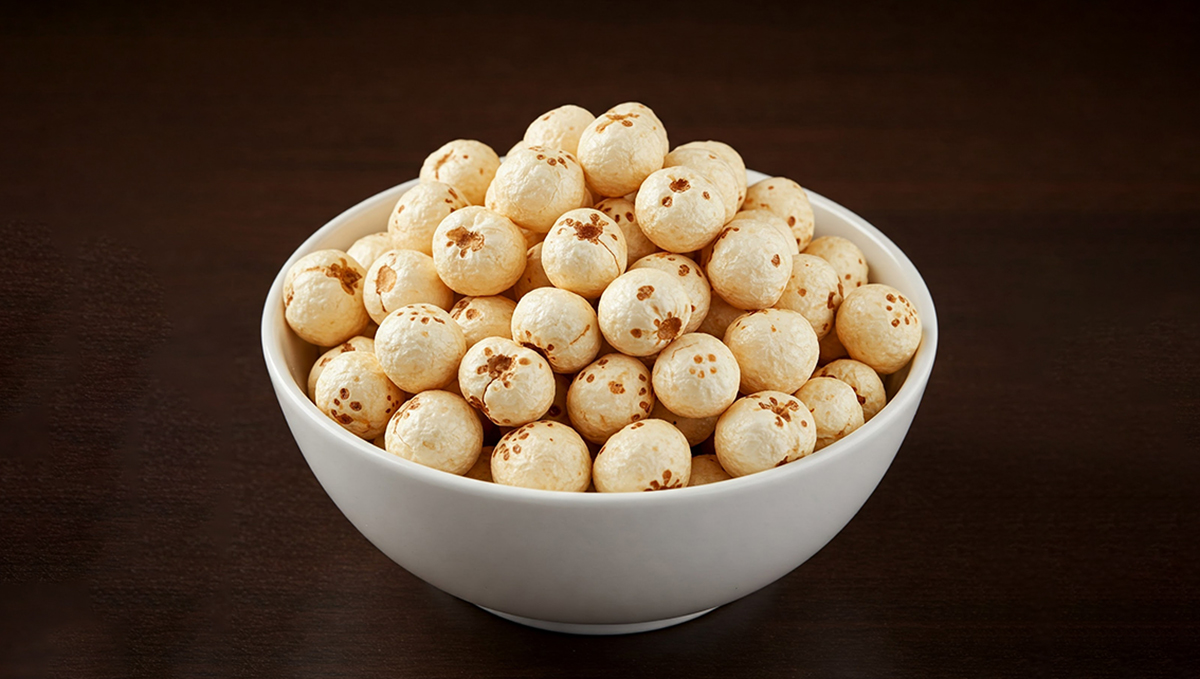
Makhana has been hailed as a 'superfood' in recent years. This lightly fried dish has become a favorite among many because it is low in calories, low in fat, and packed with nutrients. Considered a good source of protein, fiber, calcium, magnesium, and antioxidants, makhana has been shown to aid in weight management, heart health, and blood sugar control, according to various studies.
But one thing many forget is that even healthy foods are not equally suitable for everyone. The same food can have different effects depending on the body condition, disease, and digestive system. Therefore, it is important to understand your health condition before eating Makhana.
According to experts, normal healthy people can eat makhana in limited quantities. However, people with certain health problems need to exercise caution.
1. People with constipation should take precautions.
Although makhana contains fiber, eating too much of it without drinking enough water can actually lead to constipation. This problem can be especially noticeable in people who already have hard stools, suffer from regular constipation, or drink little water.
If you have constipation problems, it is important to eat makhana in limited quantities and drink enough water throughout the day.
2. It is better not to eat too much because of digestive problems.
People who suffer from frequent gas, bloating, indigestion, acidity, or stomach heaviness may feel uncomfortable when eating too much makhana.
It is considered best for such people to eat Makhana lightly fried, in small quantities, and with other balanced meals. If stomach problems increase after eating Makhana, it is advisable to reduce the intake or stop for some time.
3. People with allergies should pay special attention.
Although allergic reactions to makhana are not very common, some people may experience an allergic reaction. If you experience symptoms such as red skin rashes, itching, swelling of the body, swelling of the lips or face, or difficulty breathing after consuming makhana, you should stop consuming it immediately and consult a doctor.
4. Patients with severe kidney problems
Many patients with chronic kidney disease need to control their intake of certain minerals. Since makhana contains various minerals, it is advisable for people with severe kidney disease or those on a special diet to consult a doctor or dietitian before consuming makhana regularly.
5. People with low blood pressure should pay attention.
Some studies have indicated that makhana may help balance blood pressure. Therefore, people who already have low blood pressure or are taking blood pressure medications should consult a doctor before consuming large amounts of makhana.
People who experience dizziness, weakness, or frequent low blood pressure should be especially careful.
6. Risk also for people with a habit of overeating
The idea that 'the more you eat, the more you benefit' does not apply to Makhana. Excessive consumption of any food can cause problems.
Eating too much makhana can lead to bloating, gas, constipation, indigestion, and increased calorie intake. Therefore, controlling its quantity is the best solution.
How much Makhana should you eat in a day?
For a healthy person, about 25-30 grams (about a handful) of makhana per day is considered sufficient. It is best to eat it lightly fried.
If too much salt, ghee, butter or oil is used for flavoring, its health benefits may be reduced. Therefore, it is better to prepare and eat with less salt and less oil.
The correct way to eat makhana
-Eating it lightly fried is good for both taste and digestion.
-Do not regularly consume food with a lot of salt, spices, or ghee.
-Drink enough water,
-Use only as part of a balanced diet.
-It is advisable for patients with diabetes, kidney, heart, or other chronic diseases to seek advice from a doctor or dietitian before regular consumption.


 Latest News
Comments (0)
Login to post a comment.
No comments yet. Be the first to comment!